 FREE USA SHIPPING over $99

How Not to Destroy Your Kitchen Knives
Jan 14 2026 - 7:41
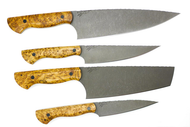
Let’s just say you got a new kitchen knife set for Christmas, or that you’ve recently treated yourself to some new kitchen knives for the New Year to keep to your resolution to prepare more food at home.
In either hypothetical, you either have new kitchen knives or you’re going to be using your existing knives more.
Here’s the thing. Around the country, every single day, people are abusing, and destroying, their kitchen knives. Even if they don’t know it.
Primarily, in one of the ways that will be exposed in this article. Whether you only cook for special occasions or you use your kitchen knives every day, heed the warnings in this post.
Do Not Put Them in the Dishwasher
Do not, under any circumstances, put your knives in the dishwasher, even if they are rated as “dishwasher safe.” The extreme temperature cycles and harsh detergents in your dishwasher may not damage the steel, but they will damage the knife scales, even if the scales are synthetic.
Bone, horn, antler, and wood, cannot tolerate the dishwasher, period. But even if your knives are outfitted with micarta or G10 scales, wash them by hand. They will last longer.
Do Not Soak Your Knives in the Sink
Similarly, don’t let your knives soak in the sink prior to cleaning, even if there’s something on the blade that’s tough to get off.
Letting the knife linger in the sink will allow moisture to soak into the scales, which will cause mold or other damage if they are natural scales. Moreover, letting the blade sit in the water will also encourage the formation of rust on the blade.
When you use them, clean, dry, then put them away.
Dry Them Off Before Putting Them Away (Don’t Leave Them in the Drainboard)
This brings up another point. When you wash your kitchen knives, don’t just stick them in the drainboard to let them drip dry. Leaving moisture on the blade is a quick ticket to rust, or staining or scale deposits, even if the blade is stainless.
Once clean, thoroughly dry the knives off and put them back in the knife block. Do not leave them in the drainboard.
Do Not Store Knives Loose in Drawers
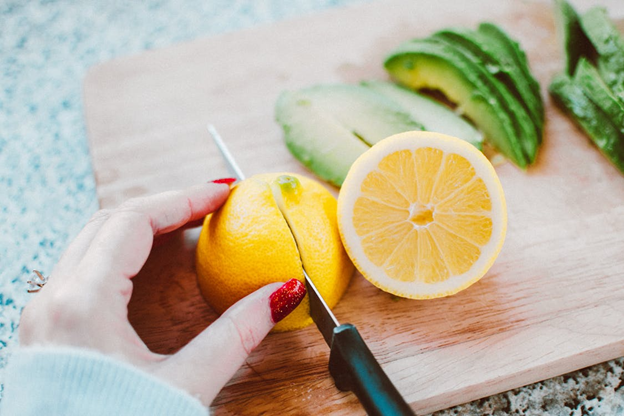
For one thing, it is not safe to store a naked blade loose in a drawer, because that’s a quick and easy way to suffer a surprise laceration when you recklessly stick your hand in the drawer.
But just as importantly, storing a naked knife loose in a drawer with other kitchen implements will wreak havoc on the blade. Contact with all your other kitchen tools will nick and dull the blade prematurely.
While this won’t necessarily ruin the knife outright, it will require you to resharpen the blade more frequently. Store your knives in the knife block that came with the kitchen knife set - no exceptions.
Be Smart About the Cutting Board
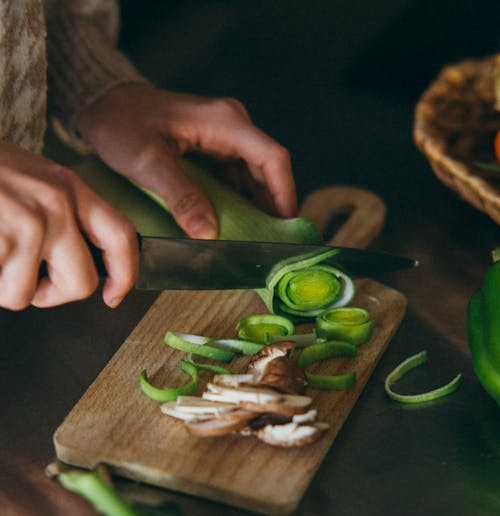
The best cutting boards are wood, not just because they don’t leave little bits of plastic in your food (like plastic cutting boards) but because they don’t dull your knives.
Commercially produced cutting boards made of wood are significantly softer than even the softest knife steels. Bamboo, maple, teak, and beech are all excellent woods from which cutting boards are commonly made. As a result, they are gentler on your knives.
The same cannot be said for glass and metal alloy cutting boards, that should be avoided at all costs because they will prematurely damage your knives’ edges, and can even badly damage the edge, too.
Scrape with the Spine, Not the Edge
Once you’re done with that fine dice, flip the knife over and use the spine as a scraper, not the edge. Or better yet, get an actual kitchen scraper and reserve the knife for knife-related things.
Using the edge of your knife as a scraper will dull it and in some instances can cause the edge to roll or chip, which will require some time with a sharpening stone to rectify.
Lightly Oil Non-Stainless Alloys
Many kitchen knives are made with stainless alloys that are chemically constituted so as to resist staining, putting, rust and other forms of corrosion.
With that said, some are not. Best practice is, for all kitchen knives, to lightly oil the blade with a purpose-selected knife oil or some other food-safe oil to protect against corrosion. Popular options include tsubaki oil and food-grade mineral oil, but you can also just use a little of your cooking oil to protect the blade as well.
Lastly: Do Not Use It as a Multitool (or Utility Knife)
Our last suggestion is an important one. If you should not use a knife for it, do not use your kitchen knife for it. This includes opening jars or bottles, general-purpose prying and twisting, or other similar activities and applications. At best you will damage your knife, at worst you will injure yourself.
One more thing: keep your kitchen knife set in the kitchen. Do not use your knives to open packages or mail. Use another knife for that.
Here for a New Kitchen Knife Set?
Looking to replace your aging kitchen knife set with something new? We carry plenty of options from top makers such as Hoffner, LT Wright, Brisa, and others. Take a look through our collection, let us know if you need any recommendations, and make sure you heed the suggestions offered by this article. Your kitchen knives will thank you for it, and last longer.