 FREE USA SHIPPING over $99

Why Carbon Steel Great Eastern Cutlery Knives Develop Patina (and How to Care for 1095)
Oct 19 2026 - 6:56
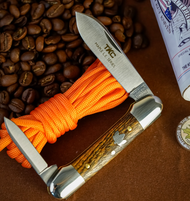
Here’s how it goes. You open your Great Eastern Cutlery stockman (or some other traditional pocket knife made with a carbon steel alloy) and use it to slice up an apple. You finish the snack, wipe the blade off on a napkin until it is ostensibly dry (if not a bit sticky) and then pocket the knife.
The next time you open the same blade you used to cut the apple, there’s a dark, bluish, brownish or blackish pattern smeared all over the blade. What gives?
That’s called a patina, and far from being a bad thing, is one of the attributes that collectors (and knife users) cherish about using knives that have blades of non-stainless high carbon steels like 1095.
Here’s what you should know about it.
What Is Patina on Steel and Why It Matters
First, and to keep things as simple as possible, patina forms on steel when the iron in the steel reacts with oxygen.
Fundamentally, patina is chemically similar to rust but it is not the same; both are forms of iron oxide, but rust is referred to as “red oxide” or “red rust” and is highly volatile, and travels through the steel, whereas a patina is a much thinner layer and usually referred to as “black oxide” or “black rust”.
More importantly, a patina will protect the surface of the steel once it is established. It actually helps prevent rust from forming on the surface of, or traveling along, the steel.
A patina will form naturally on a traditional pocket knife made with a high carbon steel like a Great Eastern Cutlery pocket knife, but it can also be forced on the blade. Some popular ways to force a patina on a carbon steel knife include:
- Wrapping the blade in paper towels soaked in warm vinegar.
- Dipping the blade in acidic condiments like mayonnaise or mustard.
- Using the blade to cut high-acid fruits or vegetables like tomatoes, apples or pickles.
- Using the blade to cut raw meat.
In each of these instances, the blade should be allowed to sit for about 5 minutes before it is washed off and dried thoroughly. In just this time, a patina should have started forming. The process can be repeated to intensify and mature the patina, too.
With that said, as stated, a patina will also form naturally on a carbon steel blade. You don’t have to force it. Just use the blade and over time one will develop.
The cool thing about a knife’s patina is that it is not a static pattern and it will develop over time. Often, the patina is considered a desirable aesthetic quality of the steel, and no two are alike. A knife blade’s patina, like a snowflake, is entirely unique.
At the end of the day, a mature patina on a carbon steel blade, such as on the blades of traditional pocket knives, not only serves as a unique and visually stunning aesthetic, but helps protect the steel against rust. And, on top of that, you can help the patina form using one of the methods mentioned here.
Caring for 1095
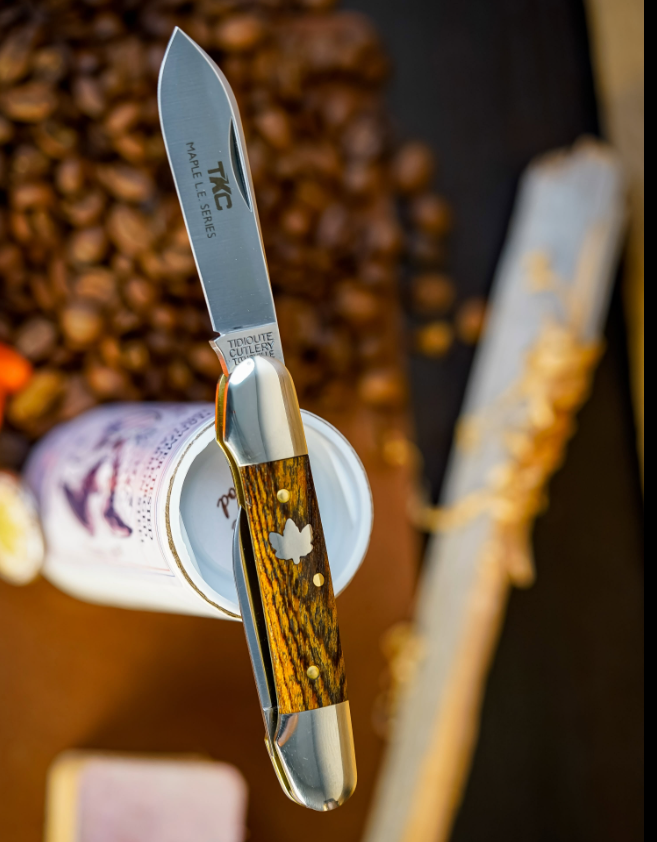
While a patina will help protect the 1095 steel blade of your Great Eastern Cutlery pocket knife, it is also true that there are some corrosive influences that can overrun the protect barrier formed by a patina. For instance, prolonged exposure to acid or saltwater will cause the blade to corrode.
Therefore, it is important to know how to properly care for high-carbon, non-stainless steels like 1095 regardless of whether or not a patina has already formed.
Whenever you use your pocket knife, regardless of what you use it for, make sure you wipe the blade clean. If you did use it to cut anything that was acidic or salty, such as a fruit or some other good, rinse the blade or wipe it down with a damp rag before you fold the knife.
Now, this part is critical: never fold your knife or put it away wet, or it will definitely rust if you are not careful.
After you have dried the blade(s), another good tip is to apply a drop of oil to both sides of the blade and wipe it down to distribute it. You can also apply a drop to the point or slipjoint if you like to protect these components.
You can use machine oil or gun oil for this, but if you use your Great Eastern Cutlery pocket knives for food prep and are concerned about food safety, then use a food-safe oil like tsubaki oil, which is made from tea seeds and which is a traditional, food-safe alternative.
Other than keeping your knife clean and dry and oiling it periodically to protect it against rust, you should make sure you store it in a cool, dry place with plenty of ventilation. That’s more than you need to keep it from rusting.
Shop Great Eastern Cutlery and Other Traditional Pocket Knives Here
In the market for a new Great Eastern Cutlery pocket knife, or investigating other traditional pocket knives such as those made by Case? Check out our collection and if you have any questions about models, patterns, or how to care for your knives, get in touch with us and we will be more than happy to assist.